Best Home Battery Options for California Homeowners
California has long been a leader in solar adoption, but the conversation has rapidly shifted from just generating energy to storing and using it strategically. With rising electricity costs, frequent outages, and major policy changes like NEM 3.0, home battery storage is no longer a luxury; it’s becoming a necessity for many homeowners.
There are several battery options available in the market today, each offering different strengths in terms of capacity, backup capability, scalability, and system integration. However, the real challenge is not the lack of options; it’s choosing the right battery for your specific needs.
Why Batteries Are Essential Under NEM 3.0
California’s transition to NEM 3.0 has fundamentally changed how solar energy systems deliver value.
Under earlier net metering policies, homeowners could send excess solar energy back to the grid and receive strong financial credits in return. This made solar-only systems highly attractive, even without storage. However, under NEM 3.0, export compensation has dropped significantly, meaning that sending energy to the grid is no longer as financially beneficial.
This shift places a strong emphasis on self-consumption, which is the ability to use the energy you generate rather than exporting it.
A battery plays a critical role in this new structure. Instead of losing value by exporting excess solar energy during the day, homeowners can store that energy and use it later during peak hours when electricity rates are highest. This not only improves the financial return on your solar system but also provides greater control over your energy usage.
In simple terms, under NEM 3.0:
- Solar panels generate energy.
- Batteries ensure that energy is used efficiently.
Without a battery, a large portion of your solar production may not deliver its full financial value.
How to Choose the Best Home Battery for Your Needs
Choosing the right battery system is not about picking the most popular brand – it’s about aligning the system with your household’s energy behavior, financial goals, and backup expectations.
1. Understand Your Energy Usage Patterns
Start by analyzing your electricity usage, especially during peak hours (typically 4 PM to 9 PM under PG&E plans). Homes with high evening consumption benefit the most from battery storage because they can avoid expensive grid electricity during these hours.
If your usage is primarily during the daytime, your savings potential may be lower unless you plan to shift consumption patterns.
2. Determine Your Backup Requirements
Not all homeowners need full-home backup. Some only want to power essential loads such as lights, refrigeration, internet, and medical equipment during outages.
Battery systems can be designed to:
- Power the entire home
- Support only critical circuits
Understanding this early helps determine the size and cost of your system.
3. Evaluate Battery Capacity and Scalability
Battery capacity, measured in kilowatt-hours (kWh), determines how much energy you can store and use later. Larger homes or homes with higher energy usage will require higher capacity systems.
Some batteries are modular, allowing you to expand capacity over time, while others are fixed systems that require upfront sizing decisions.
4. Consider System Compatibility
If you already have a solar system, your battery must be compatible with your inverter and system architecture. Some batteries integrate better with specific solar technologies, such as microinverters or string inverters.
Choosing a battery that integrates seamlessly ensures better performance and easier installation.
5. Balance Budget with Long-Term Value
While upfront cost is an important factor, it should not be the only consideration. A cheaper battery with lower efficiency or a limited lifespan may reduce long-term savings.
Instead, focus on:
- Performance reliability
- Warranty coverage
- Expected lifespan
A well-designed system should deliver value over many years, not just reduce upfront cost.
Top Home Battery Options for California Homeowners
Let’s take a closer look at some of the most widely used battery systems in California and what makes each one unique.
Tesla Powerwall
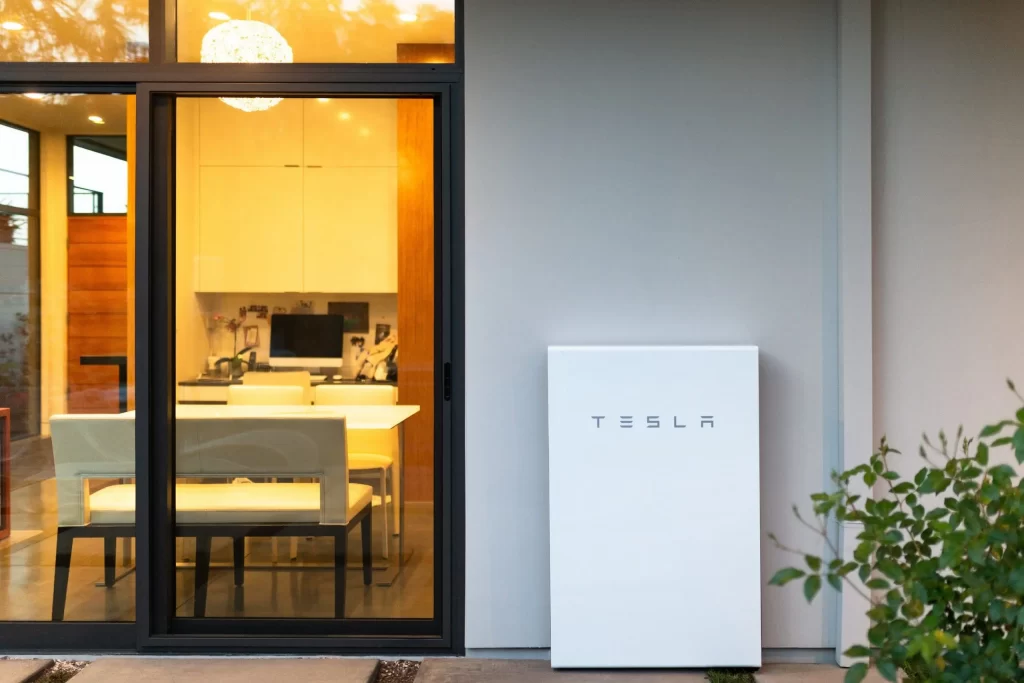
The Tesla Powerwall is one of the most recognized home battery systems in the market. It offers a high storage capacity and is designed to support both energy savings and backup power.
It is particularly well-suited for homeowners who want a seamless, all-in-one solution with strong backup capabilities. Its integration with Tesla’s ecosystem and clean design make it a popular choice, especially for those looking for a premium, future-ready system.
Nabu Energy is a certified installer for a Tesla Powerwall 3
Enphase Encharge
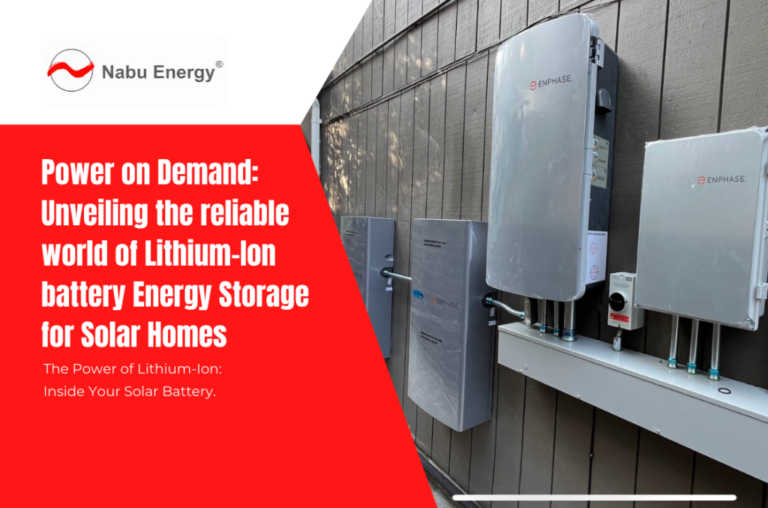
The Enphase Encharge system is known for its modular design and flexibility. It integrates directly with Enphase microinverters, making it an ideal choice for homeowners who already have or plan to install an Enphase solar system.
Its ability to scale over time allows homeowners to start with a smaller system and expand as their energy needs grow.
Nabu Energy is a certified installer for an Enphase Battery.
LG Home 8
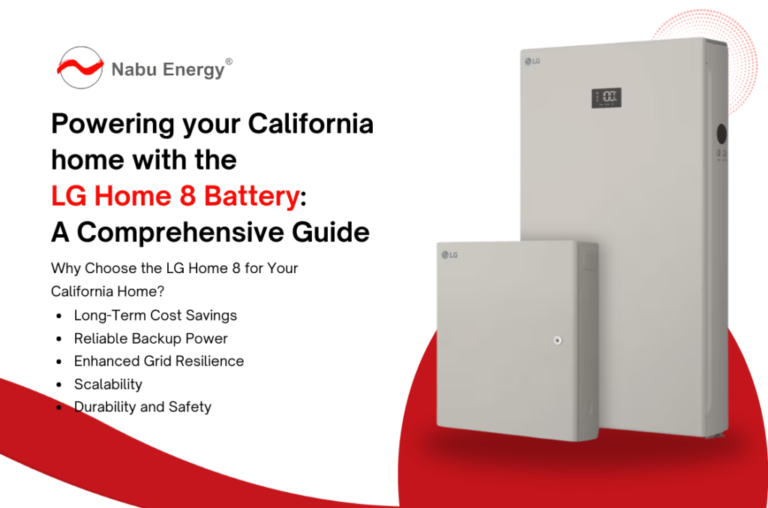
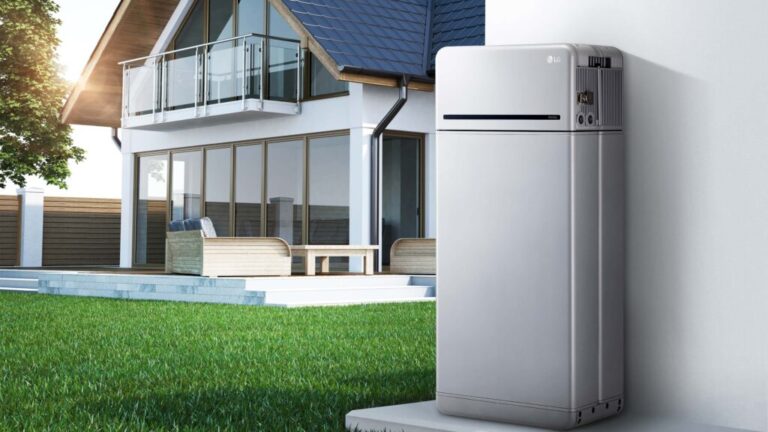
The LG Home 8 is a newer, high-capacity battery system designed for modern residential energy needs. It offers strong performance, efficient energy storage, and the ability to connect multiple units for increased capacity.
It is a practical option for homeowners looking for a balance between performance and scalability.
Sonnen EcoLinx
The Sonnen EcoLinx stands out for its focus on intelligent energy management. Beyond just storing energy, it helps optimize how energy is used within the home, making it appealing for homeowners who want more control over their consumption patterns.
Tesla Powerwall vs Enphase vs LG: Which Is Better?
Choosing between these systems often comes down to your specific priorities rather than a single “best” option.
The Tesla Powerwall is typically preferred by homeowners who want a high-capacity, all-in-one system with strong backup capabilities and a streamlined user experience.
The Enphase Encharge system is better suited for those who value modularity and flexibility, especially if they already use Enphase microinverters in their solar setup.
The LG Home 8 provides a balanced option, offering solid performance and scalability without locking homeowners into a specific ecosystem.
Meanwhile, the Sonnen EcoLinx is ideal for those who want advanced energy management features in addition to storage.
Ultimately, the best system depends on:
- Your energy usage patterns
- Your backup expectations
- Your budget and expansion plans
Frequently Asked Questions
Which home battery is best for California homeowners?
There is no single battery that is best for every homeowner, as the ideal choice depends on individual needs and system requirements. Factors such as energy usage patterns, backup expectations, solar system compatibility, and budget all influence the decision. For example, some homeowners may prioritize high backup capacity, while others may value flexibility or integration with existing solar equipment. A properly designed system tailored to your usage will always outperform a generic recommendation.
Is a home battery worth it under NEM 3.0?
Under NEM 3.0, the value of exporting solar energy to the grid has decreased significantly, making self-consumption far more important. A battery allows you to store excess solar energy and use it during peak hours when electricity is expensive. This shift greatly improves the financial value of your solar system and makes batteries a much more compelling investment than they were under previous net metering policies.
How long do home batteries last?
Most modern lithium-ion home batteries are designed to last between 10 and 15 years, depending on usage patterns, environmental conditions, and system quality. Manufacturers typically provide warranties that guarantee performance over a certain number of cycles or years. Proper system design and usage can help extend the lifespan and maintain efficiency over time.
Can a home battery power an entire house?
A home battery can power an entire house, but this depends on the size of the battery system and the energy demands of the home. Larger systems or multiple batteries can support whole-home backup, while smaller systems are typically configured to power essential loads during outages. The design of the system determines how much of the home can be powered and for how long.
How do I choose the right battery size for my home?
Choosing the right battery size involves analyzing your daily energy consumption, especially during peak hours, as well as your backup requirements during outages. Homes with higher energy usage or greater backup needs will require larger battery capacity. A detailed evaluation of your electricity usage data is the most effective way to determine the appropriate system size.
Conclusion
With so many home battery options available, it’s easy to feel overwhelmed by the choices. However, the right decision comes down to understanding your energy needs, how NEM 3.0 affects your savings, and selecting a system that aligns with your long-term goals.
At Nabu Energy, we help homeowners simplify this process by designing customized solar and battery solutions tailored to their specific usage patterns and PG&E rate plans. If you’re looking to make the right choice without the confusion, a personalized evaluation is the best place to start.