If you’re planning a solar installation near the Bay Area, one of the most overlooked but critical components is your home’s main electrical panel. Many homeowners focus on panels and batteries, but the electrical infrastructure behind them determines whether the system will function safely and efficiently.
This becomes even more important when considering solar panel and battery installation in California, especially under evolving policies like NEM 3.0 and Time-of-Use (TOU) electricity rates.
Understanding these elements helps you avoid unexpected costs, improve system reliability, and make better long-term energy decisions.
What is a Main Electrical Panel and Why It Matters for Solar
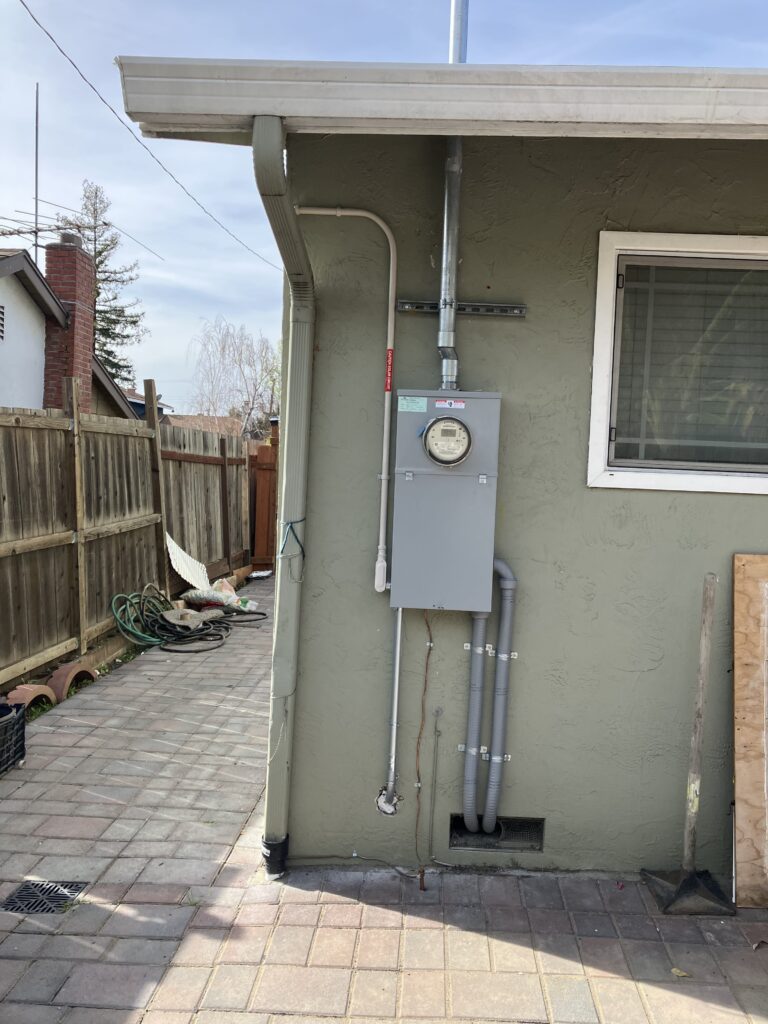
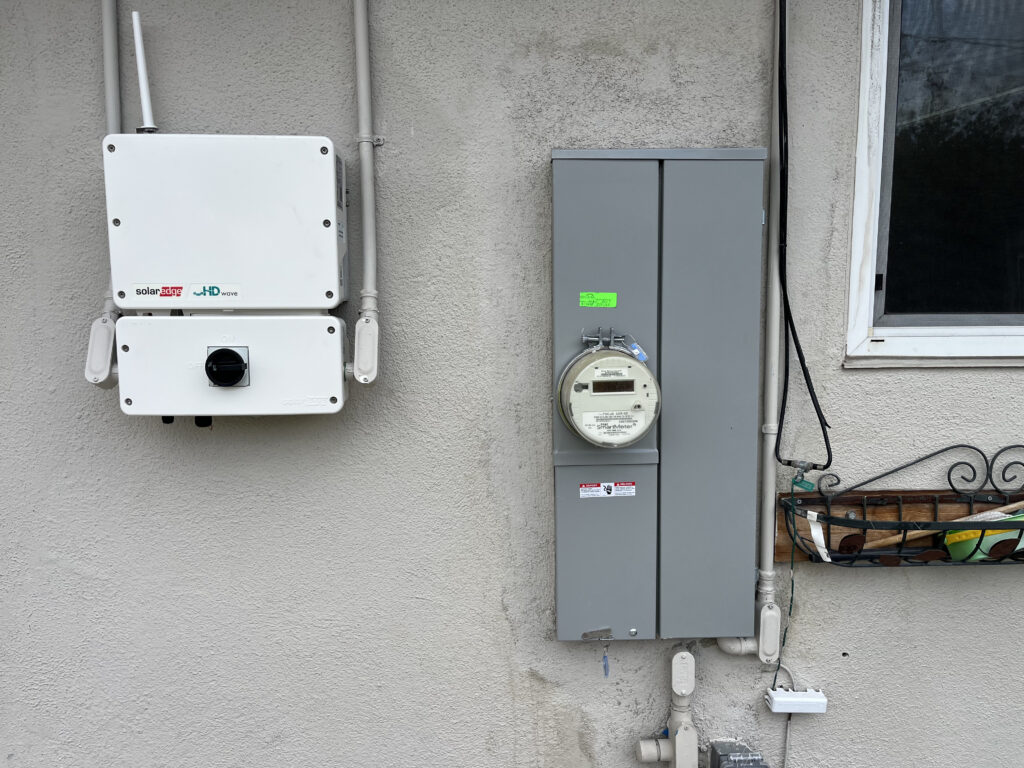
Your main electrical panel is the central distribution point for all electricity in your home. It receives power from the utility grid and distributes it across different circuits, ensuring that appliances and systems receive the correct amount of electricity.
In a traditional setup, electricity flows in one direction-from the grid to your home. However, when you install solar panels or batteries, the flow becomes bidirectional. Energy is generated, stored, and redistributed, which adds complexity to how your electrical system operates.
For homeowners working with a solar installer in the Bay Area, evaluating the panel is one of the first steps in system design. Older panels, especially those installed 20–30 years ago, were not designed for modern energy loads or distributed generation. This limitation can affect both performance and safety when integrating solar and battery systems.
Why Main Panel Upgrades Are Often Required for Solar and Batteries
When installing solar alone, some homes can operate within existing panel limits. However, once you introduce battery storage, the electrical demand and system configuration change significantly.
A battery system stores energy and discharges it during peak usage periods or outages. This means your panel must safely handle both incoming and outgoing energy loads at different times of the day. In many cases, older panels lack the capacity or breaker space required for this setup.
Homeowners exploring home battery storage installation in the Bay Area often discover that their existing panel cannot support the additional circuits required for battery integration. This is especially common in homes with 100-amp panels or outdated electrical configurations.
Upgrading the panel ensures that the system can operate safely, meet code requirements, and handle future energy expansion without limitations.
How to Know If Your Home Needs a Main Panel Upgrade
Determining whether you need an upgrade is not always straightforward. It requires an assessment of your current electrical load, panel rating, and future energy usage.
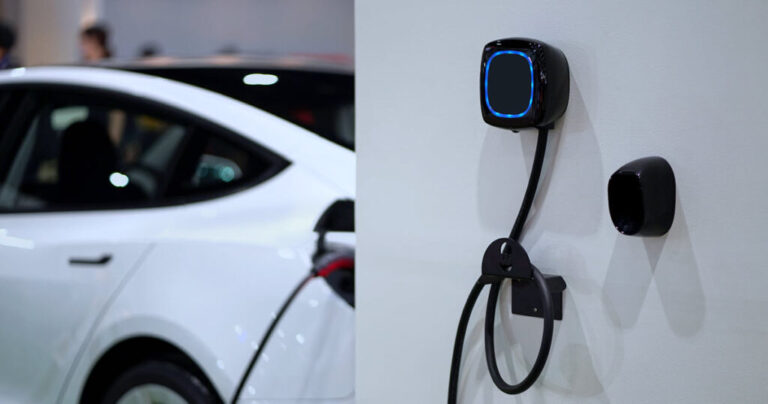
Older homes often face limitations due to outdated infrastructure. Panels may lack sufficient amperage capacity or available breaker space, making it difficult to integrate new systems. In other cases, homeowners have added appliances like EV chargers, HVAC systems, or electric stoves, increasing the overall load beyond what the panel was originally designed to handle.
A qualified residential solar installer in the Bay Area will typically evaluate your panel early in the process. This step helps avoid unexpected upgrade costs after installation has already begun, which is a common issue when working with less experienced providers.
Main Panel Upgrade Requirements for Modern Solar Systems
For most residential solar and battery systems, a 200-amp electrical panel is considered the standard. This capacity allows sufficient room for solar backfeed, battery circuits, and additional household loads.
However, the exact requirement depends on multiple factors, including system size, battery configuration, and household energy demand. Some homes may require subpanels or load-side connections, while others may benefit from alternative solutions that avoid a full panel replacement.
Homeowners comparing solar installation companies near the Bay Area should pay close attention to how each installer evaluates panel requirements. A thorough assessment indicates a higher level of technical expertise and reduces the likelihood of unexpected project delays.
The Role of Smart Panels in Modern Energy Systems
In recent years, smart panels have emerged as an alternative or complement to traditional panel upgrades. These systems provide enhanced control over energy usage and can improve how solar and batteries interact with your home.
Smart panels allow homeowners to monitor real-time energy consumption, prioritize critical loads, and automate energy distribution during outages. Instead of manually managing circuits, the system intelligently allocates power based on predefined priorities.
For homeowners considering solar panel and battery installation in California, smart panels offer a way to optimize energy usage under TOU pricing structures. By controlling when and how electricity is used, these systems can improve overall efficiency and reduce dependence on high-cost grid electricity.
How Solar, Batteries, and Panels Work Together Under NEM 3.0
With the introduction of NEM 3.0, the financial dynamics of solar energy have shifted. Exporting excess solar energy to the grid now provides significantly lower compensation compared to earlier policies.
This change makes self-consumption more valuable than ever. Instead of exporting energy at a lower rate, homeowners benefit more by storing and using that energy during peak hours.
A properly configured system, including solar panels, battery storage, and an upgraded or smart panel, allows homeowners to control energy flow more effectively. This is particularly important under TOU rates, where electricity costs vary depending on the time of day.
Working with a Tesla-certified installer in the Bay Area, California, ensures that systems like the Tesla Powerwall are integrated correctly with your panel and optimized for these new rate structures.
Avoiding Common Installation and Design Mistakes
One of the most common issues homeowners face is discovering panel upgrade requirements late in the process. This often results from incomplete site assessments or oversimplified system designs.
A well-designed project should account for current electrical capacity, future expansion, and how energy will be used under TOU pricing. Without this planning, systems may underperform or require costly modifications after installation.
Working with an experienced provider like Nabu Energy helps ensure that both panel requirements and system design are evaluated upfront. This approach reduces risk and improves long-term system performance.
Conclusion
A main panel upgrade is not just a technical requirement-it is a foundational part of a reliable solar and battery system. As California’s energy landscape continues to evolve, homeowners need systems that are designed for both current and future conditions.
Understanding how your electrical panel interacts with solar generation, battery storage, and utility rate structures allows you to make more informed decisions. It also helps you avoid unexpected costs and ensures that your system delivers consistent value over time.
For homeowners navigating these decisions, having the right guidance can make a meaningful difference. At Nabu Energy, the focus is on designing solar and battery systems that align with modern energy requirements, ensuring long-term performance, safety, and efficiency.